project showcase
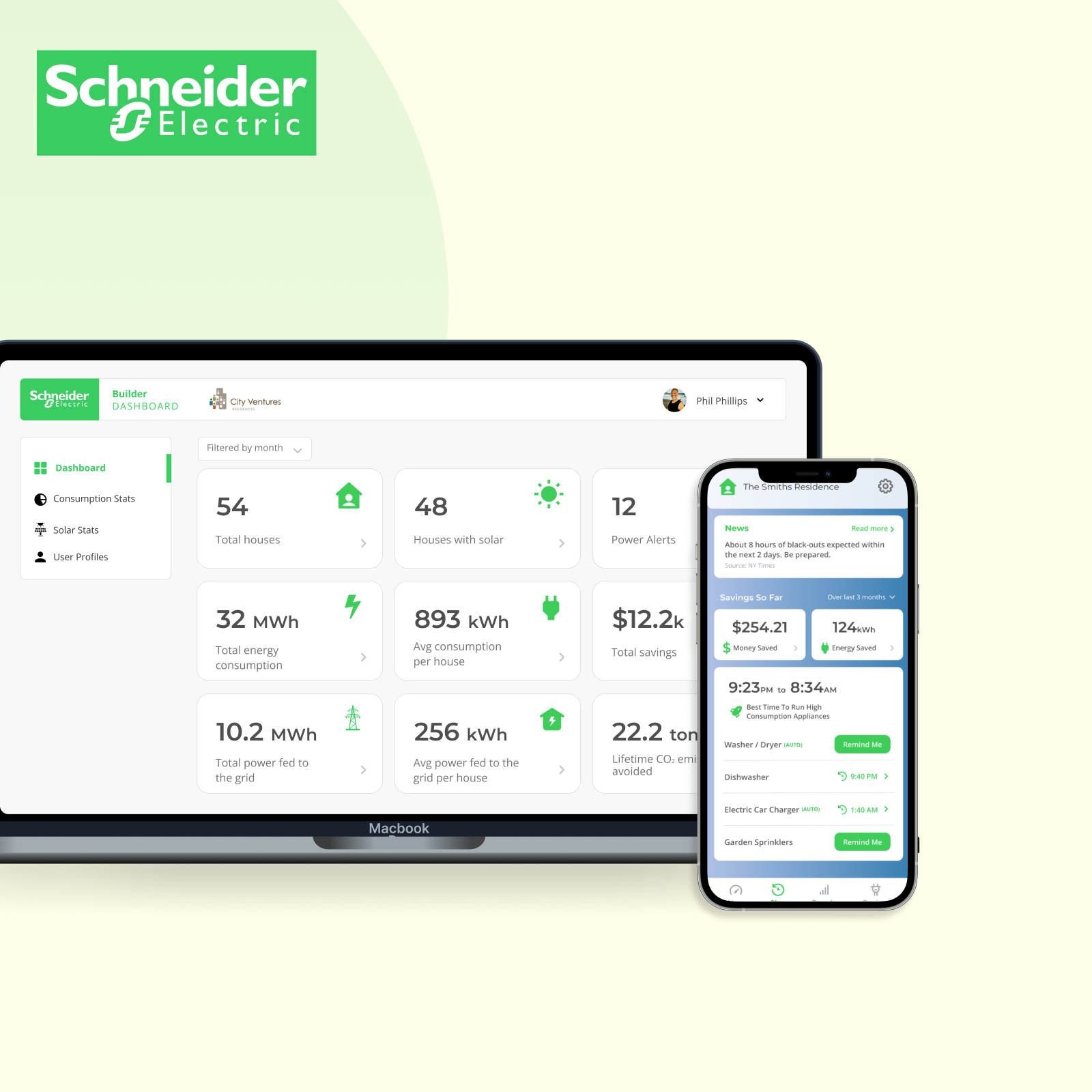
Smart BundleUp
"Positioning Schneider Electric as a leader in the Smart and Sustainable home market by developing solutions that balance the needs of builders, homeowners, and the company"
View Prototype →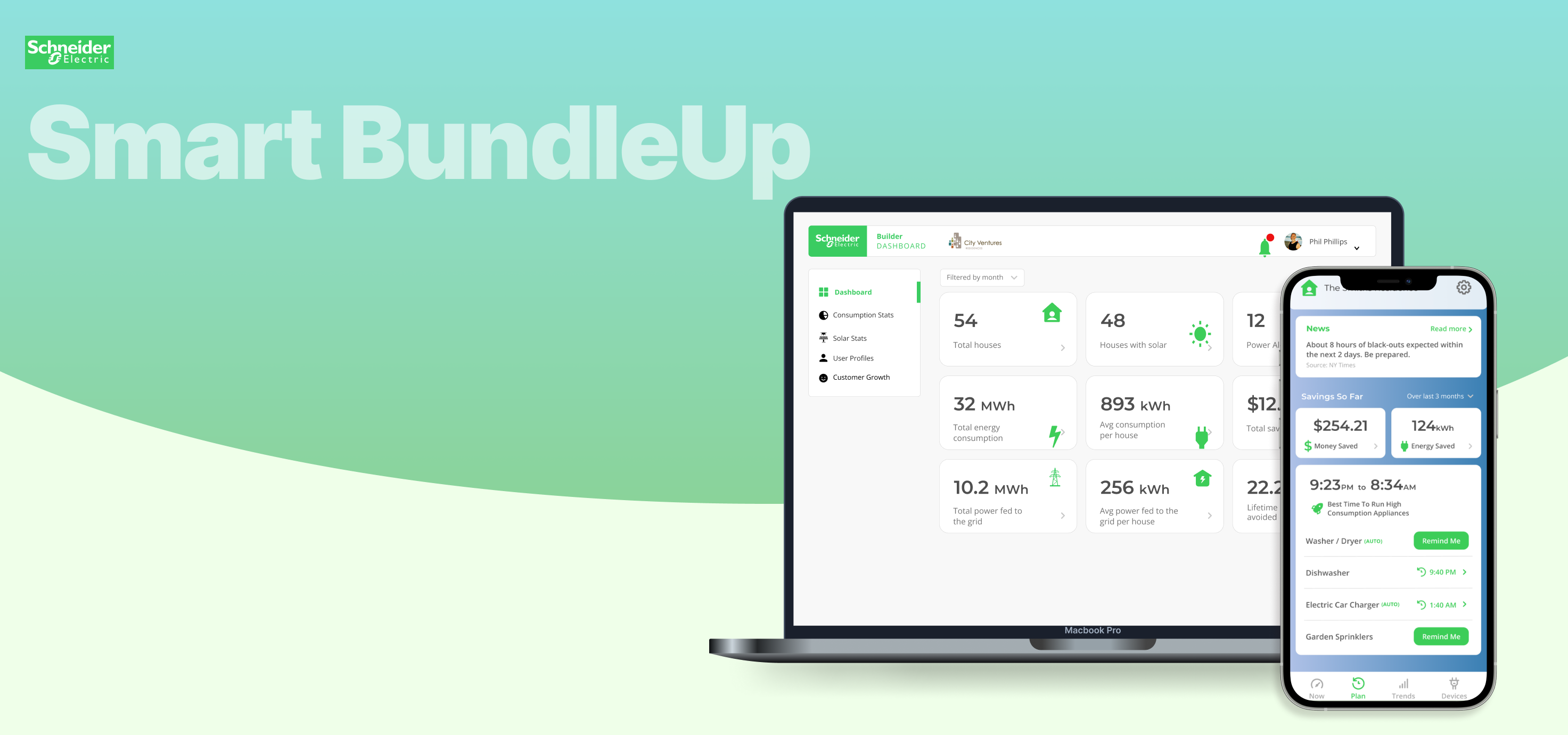
Overwiew
TimeLine
12 Months
Disciplines
Conversational interface,
UX Design,
Voiceflow
My Role
UX Research & Analysis
Chatbot Development
User Testing
Team Size
4
A little about the company
Schneider Electric SE is a global leader in energy management, specializing in solutions for homes, buildings, data centers, infrastructure, and industries. By integrating energy technologies, real-time automation, software, and services, Schneider Electric delivers comprehensive solutions to optimize energy usage. One of their upcoming products, the Wiser Home Energy Monitor, is set to revolutionize home energy management with advanced monitoring capabilities.
The story..
The "Smart Bundle Up" project aimed to position Schneider Electric in the smart home market by leveraging its existing energy-monitoring products, such as Wiser Energy and SquareD. The project focused on building strategic partnerships with key stakeholders: electricians and new home builders to drive entry and growth in the smart home sector.
Problem Statement
“How can Schneider Electric penerate the smart and sustainable home market in a way that os mutually beneficial for the company and new home builders?”
Process
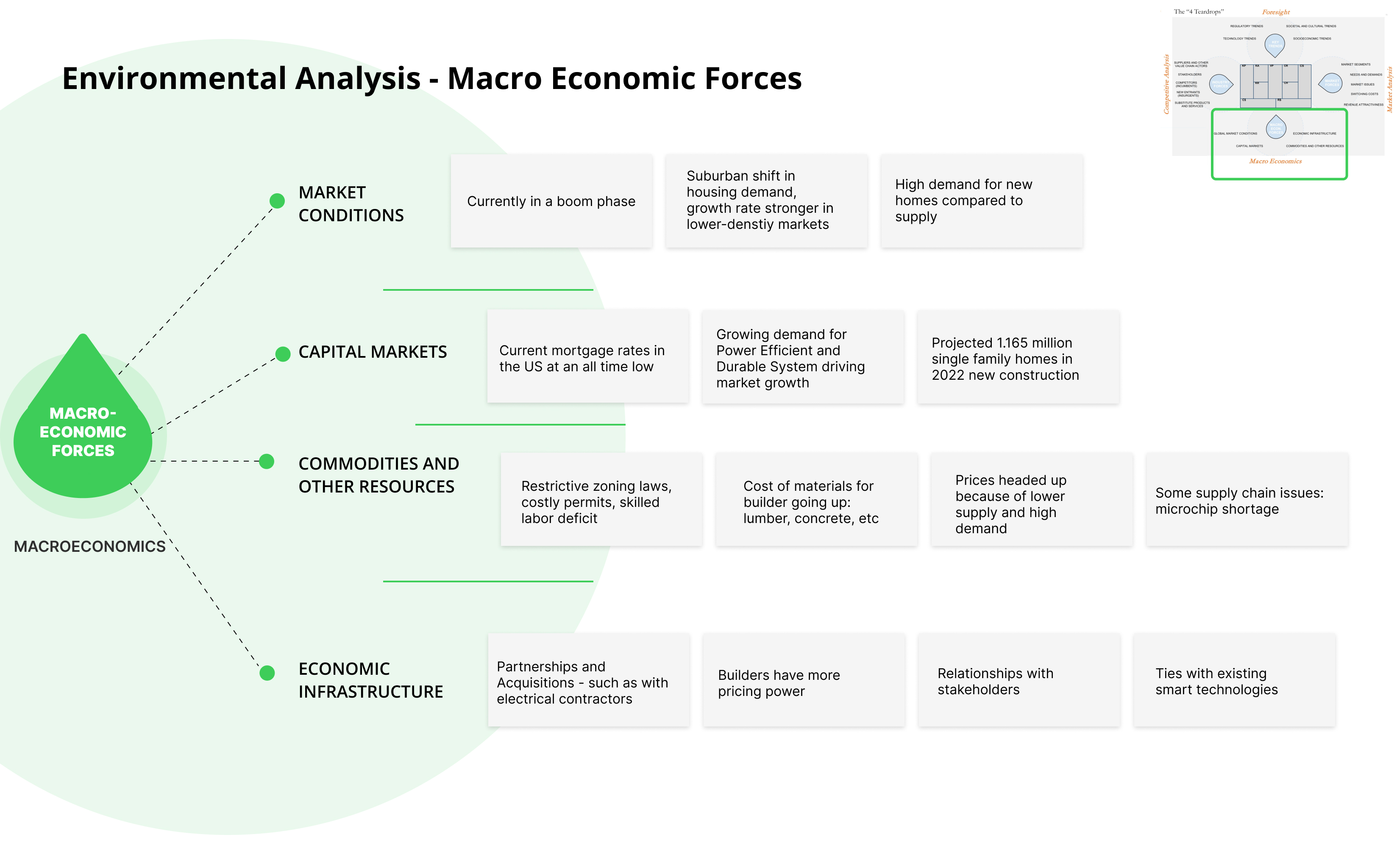
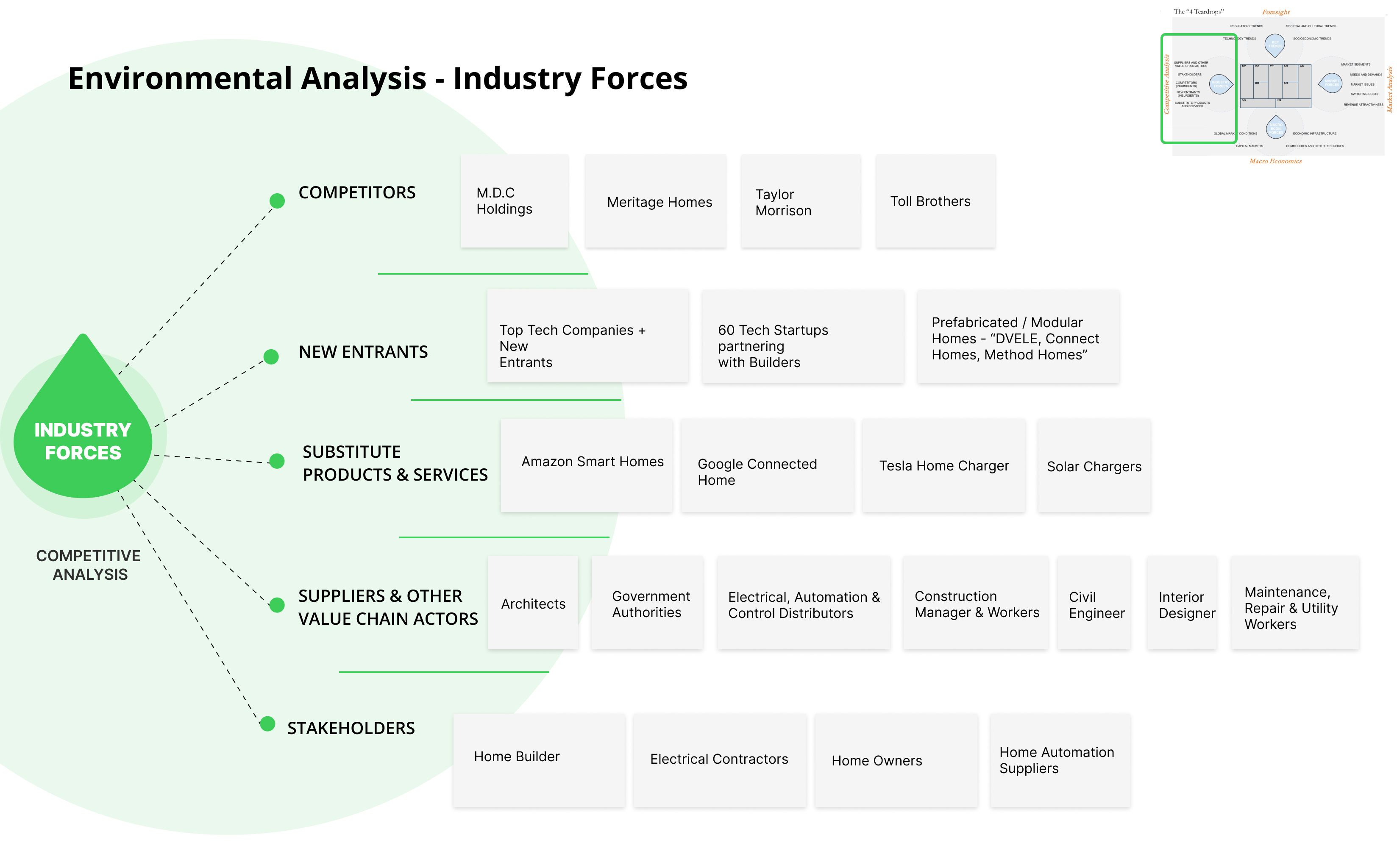
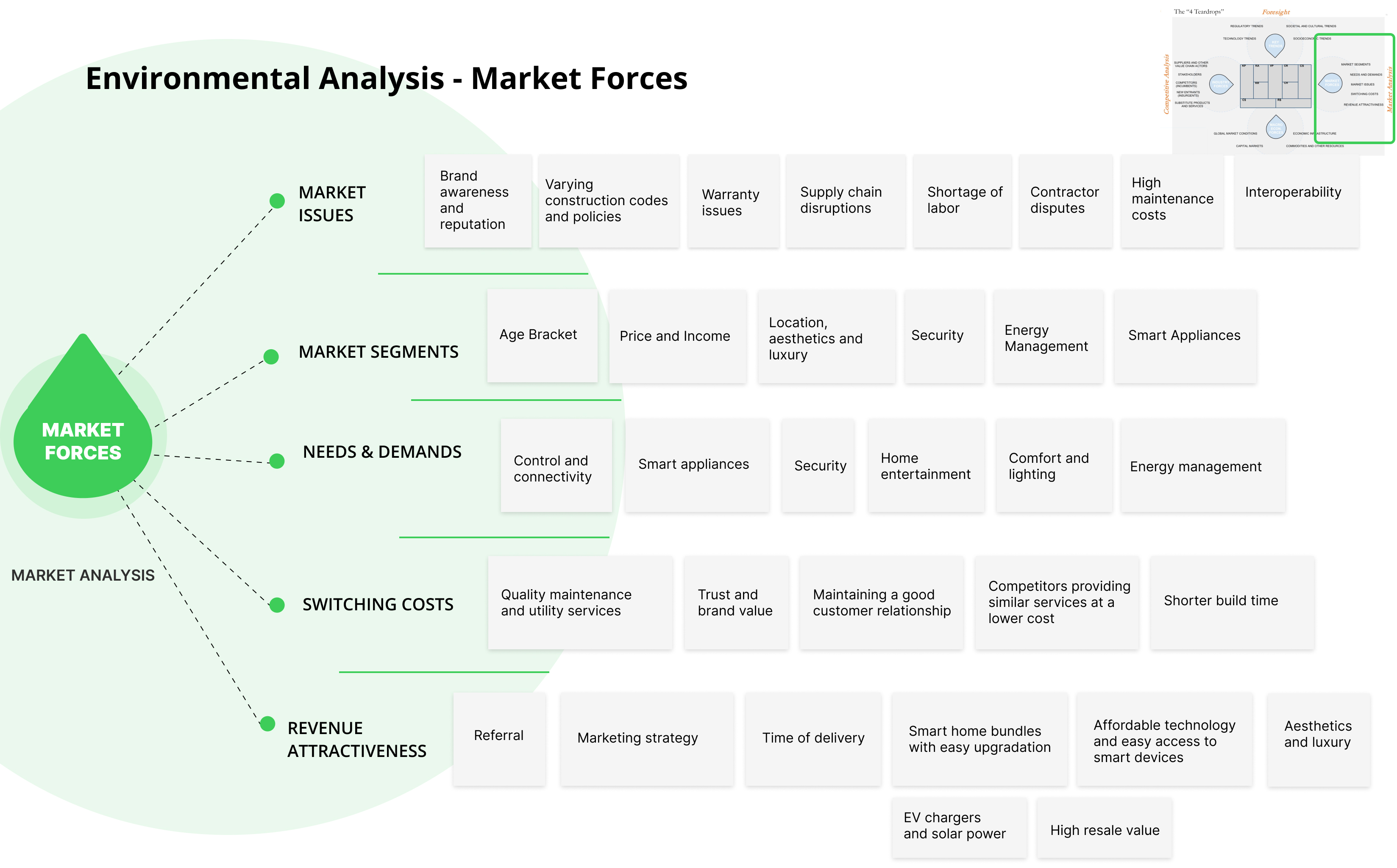
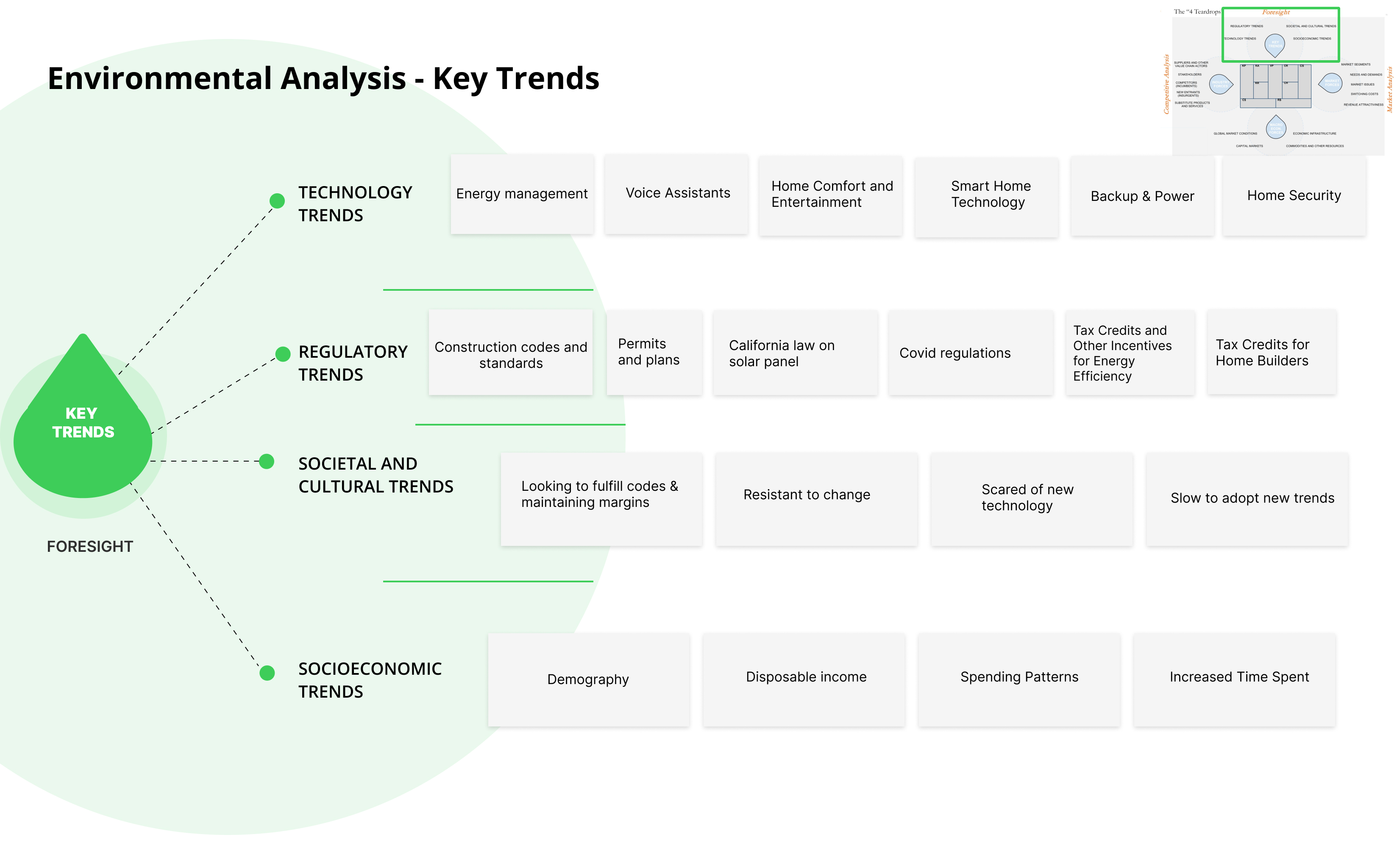
• Understanding Smart Hubs and Data Sources
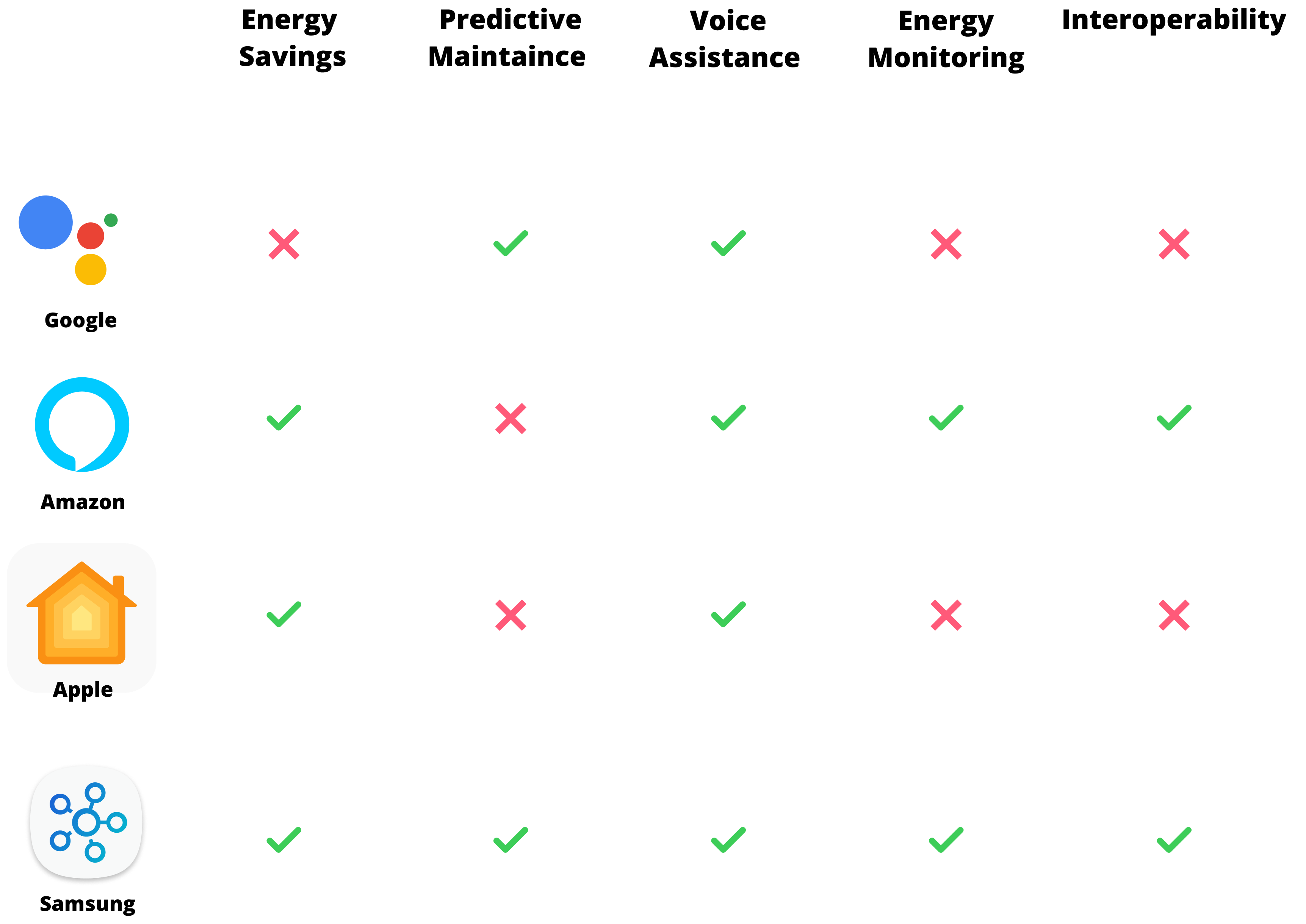
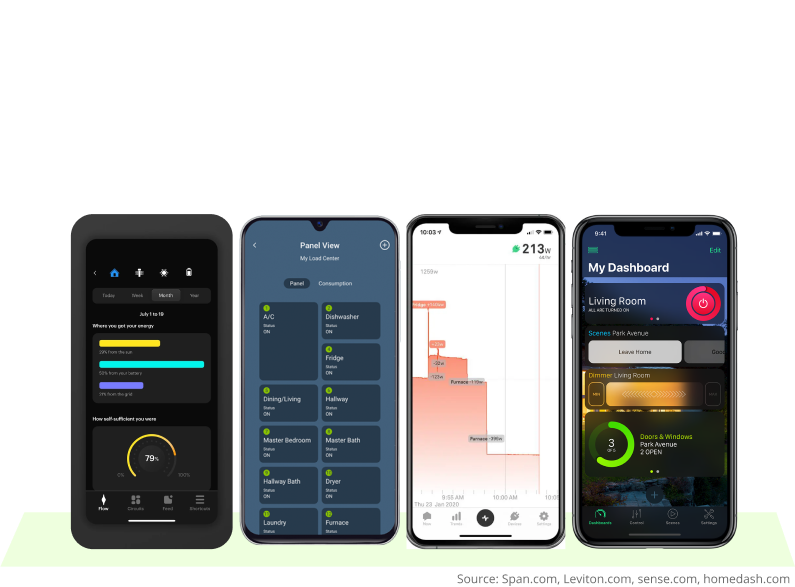
• Analyzing trends shown in competitor products.
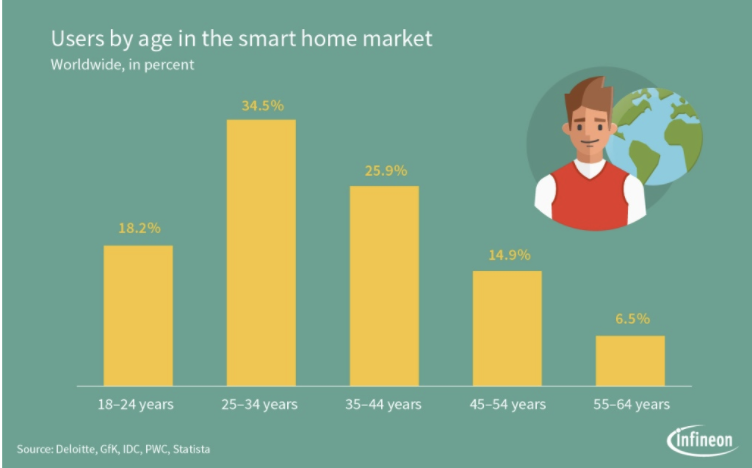
22,850
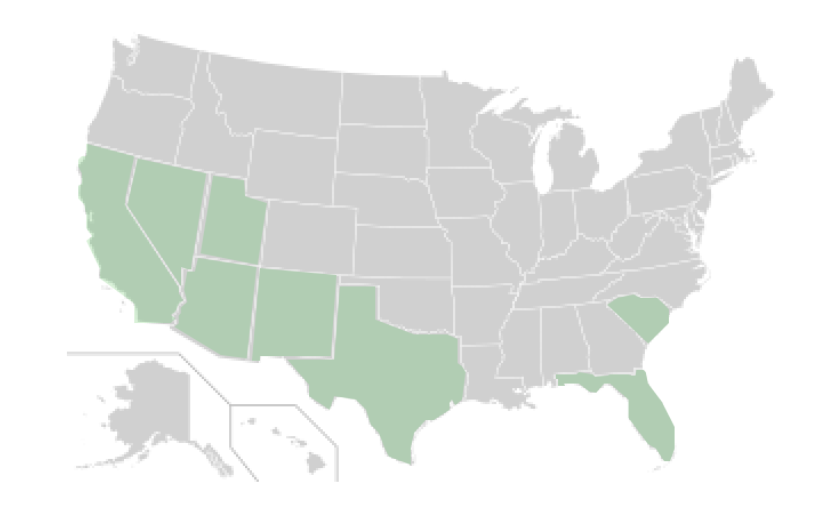
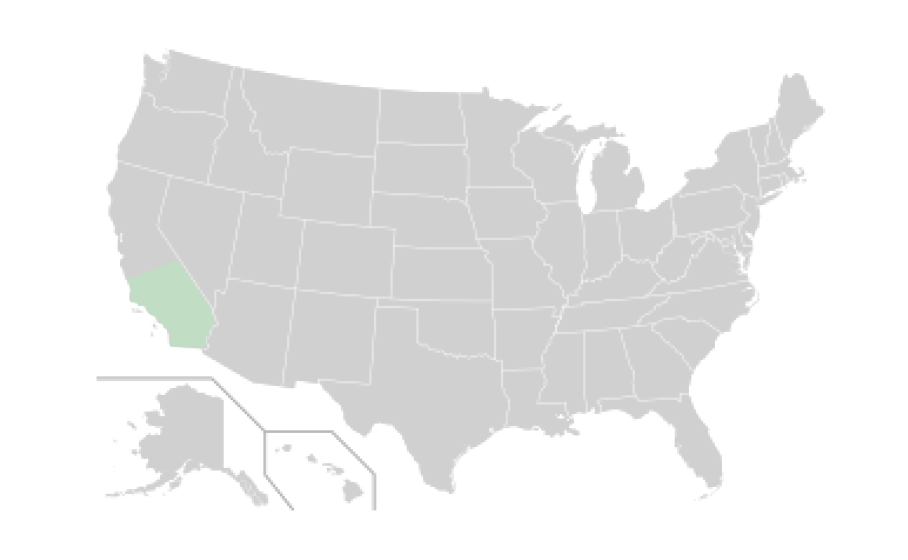
Houses that are provided with construction permits in Southern California which is our beachhead market
100
Houses on average in a community, assuming we plan to launch in one community before expanding to a larger target market
40,000 USD
Of revenue generated in one community by selling Schneider product at a subsidized cost of 400$
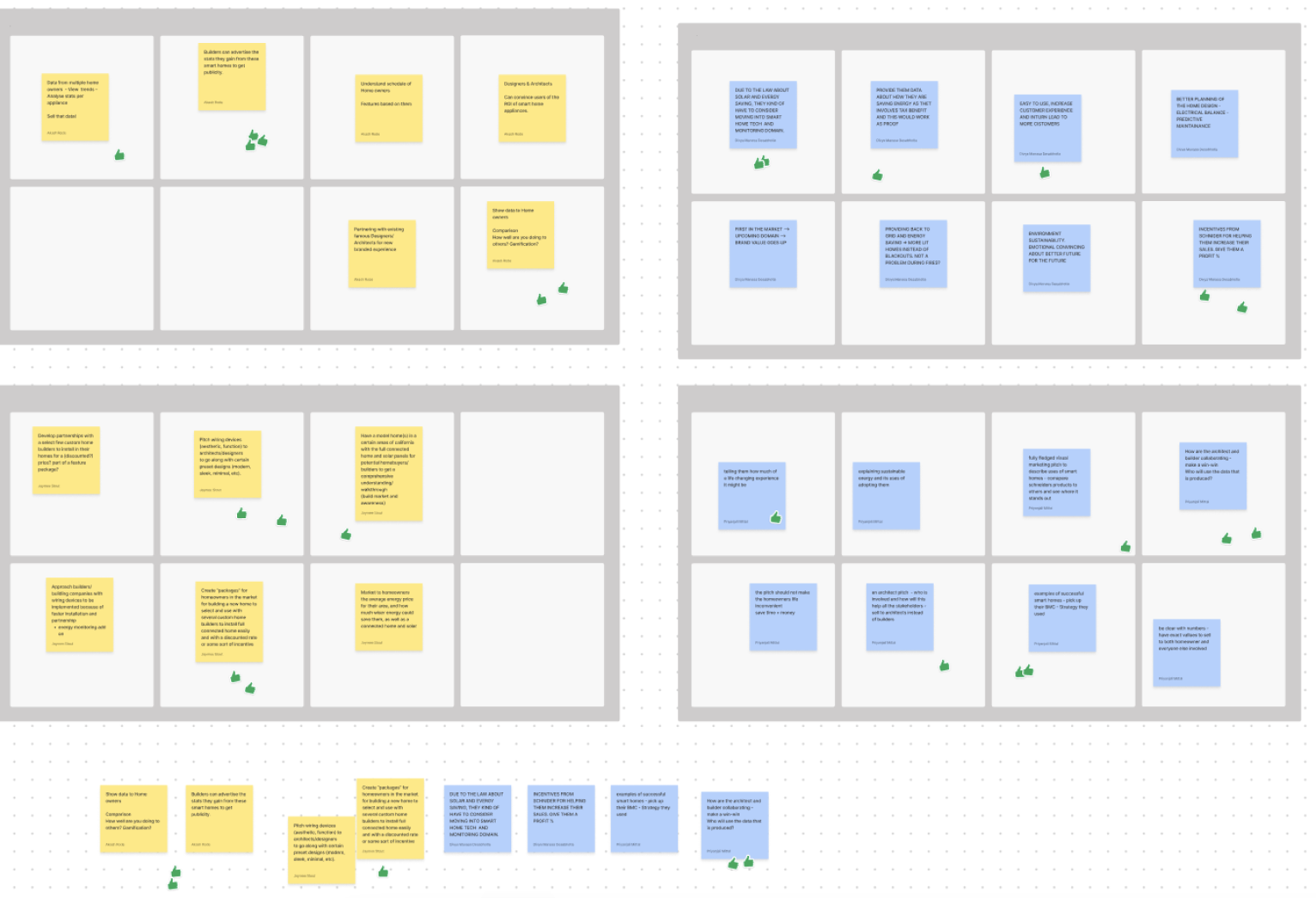
• Collaboration between Samsung, a big player in the smart home market and Schneider for sustainability
• Private labeling of Schneider Electric products
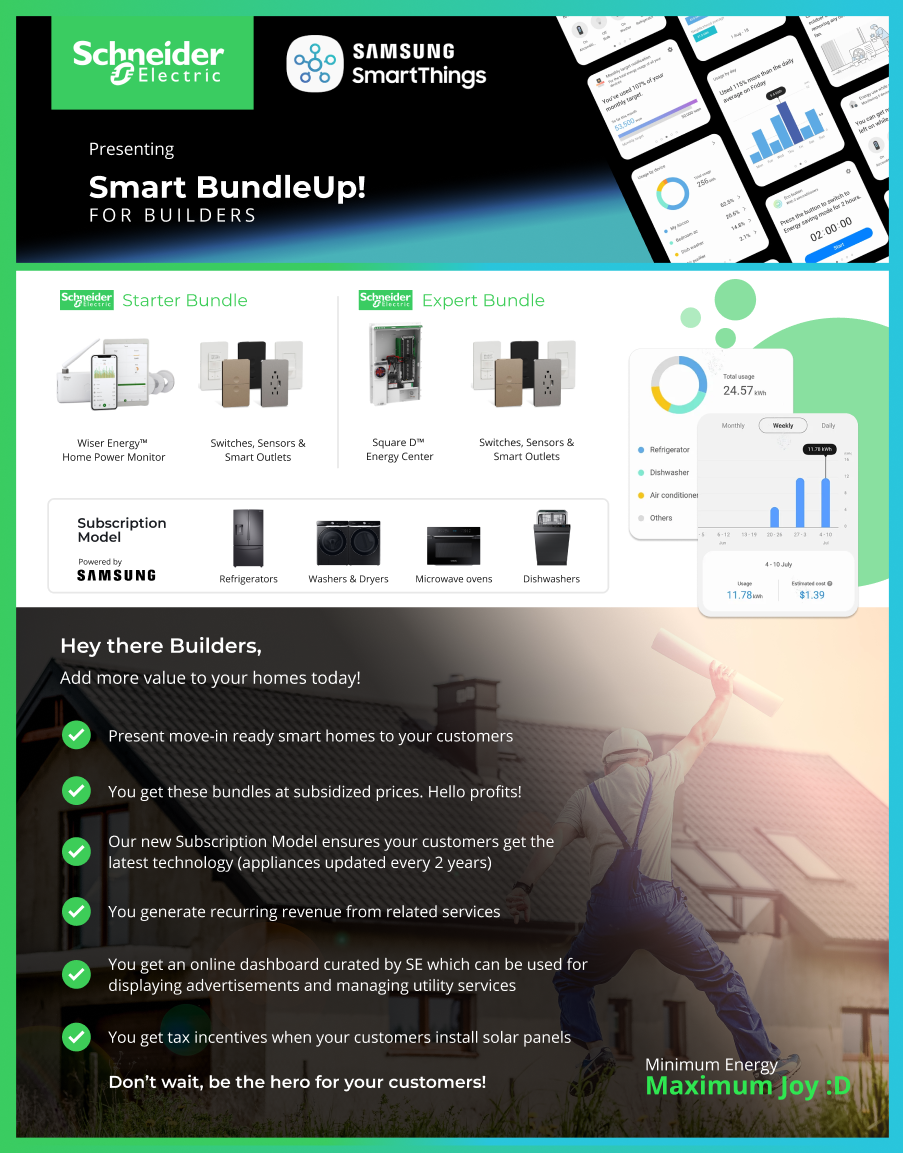
• Working with production builders instead of custom builders ensuring a larger targetable market while providing a subscription model for Schneider products making the partnership beneficial for the builders as well
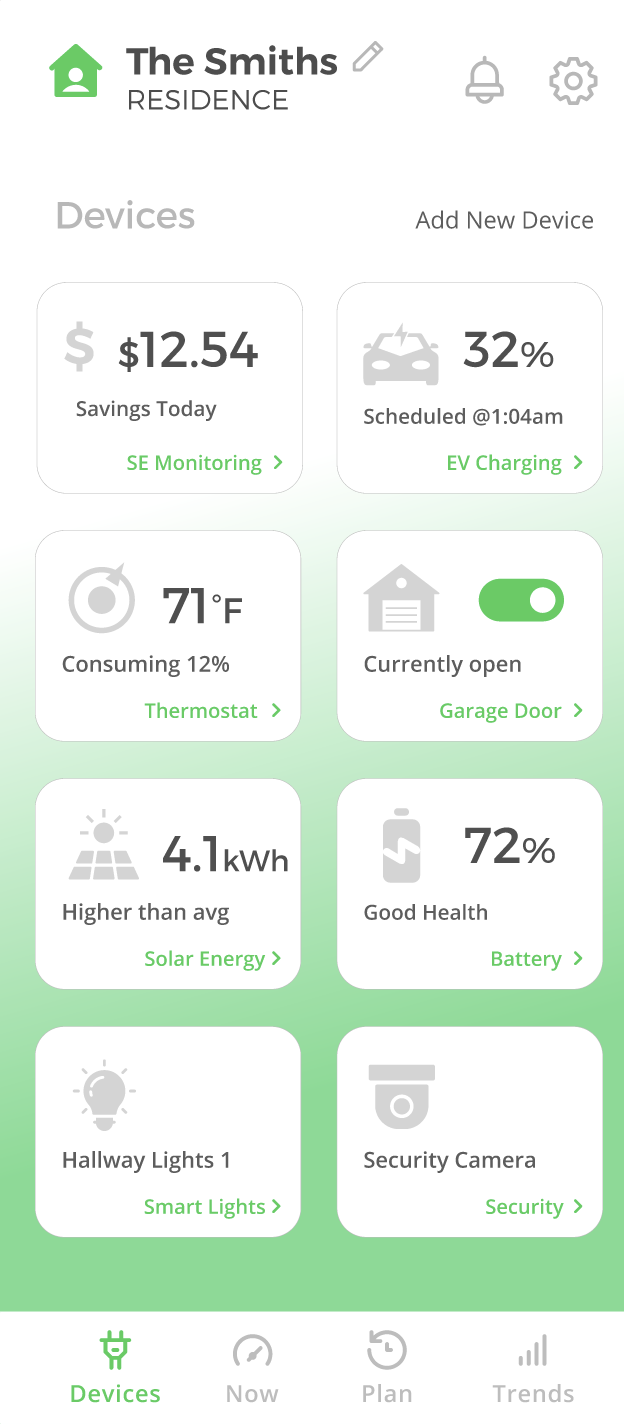
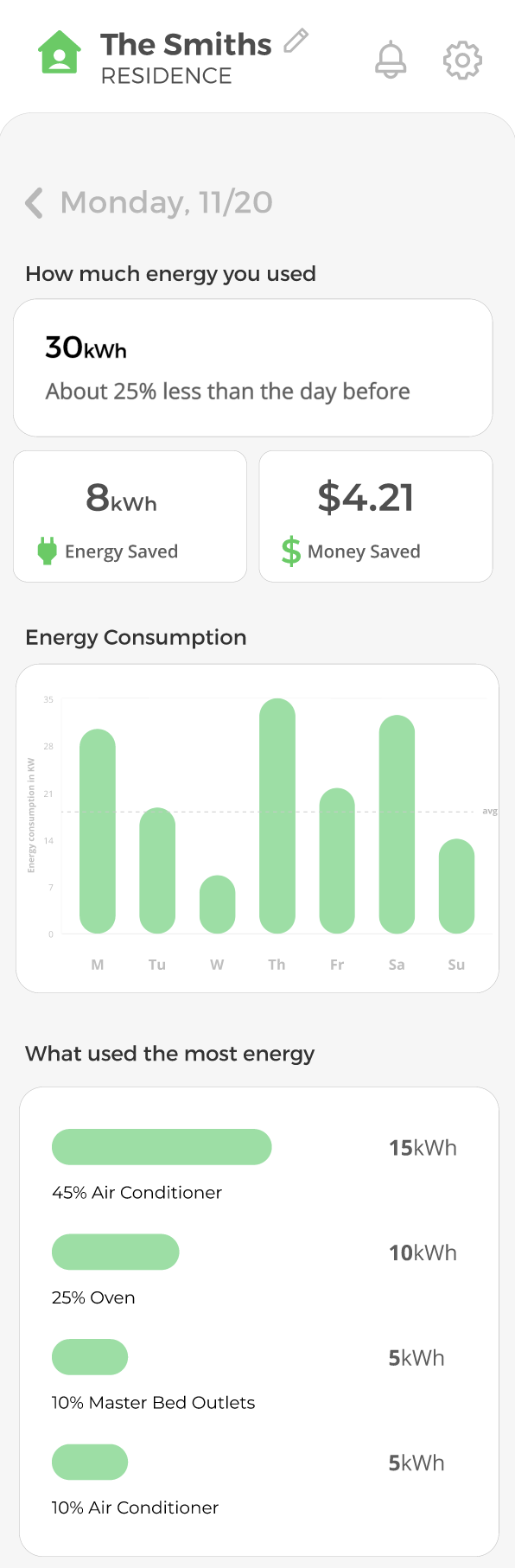
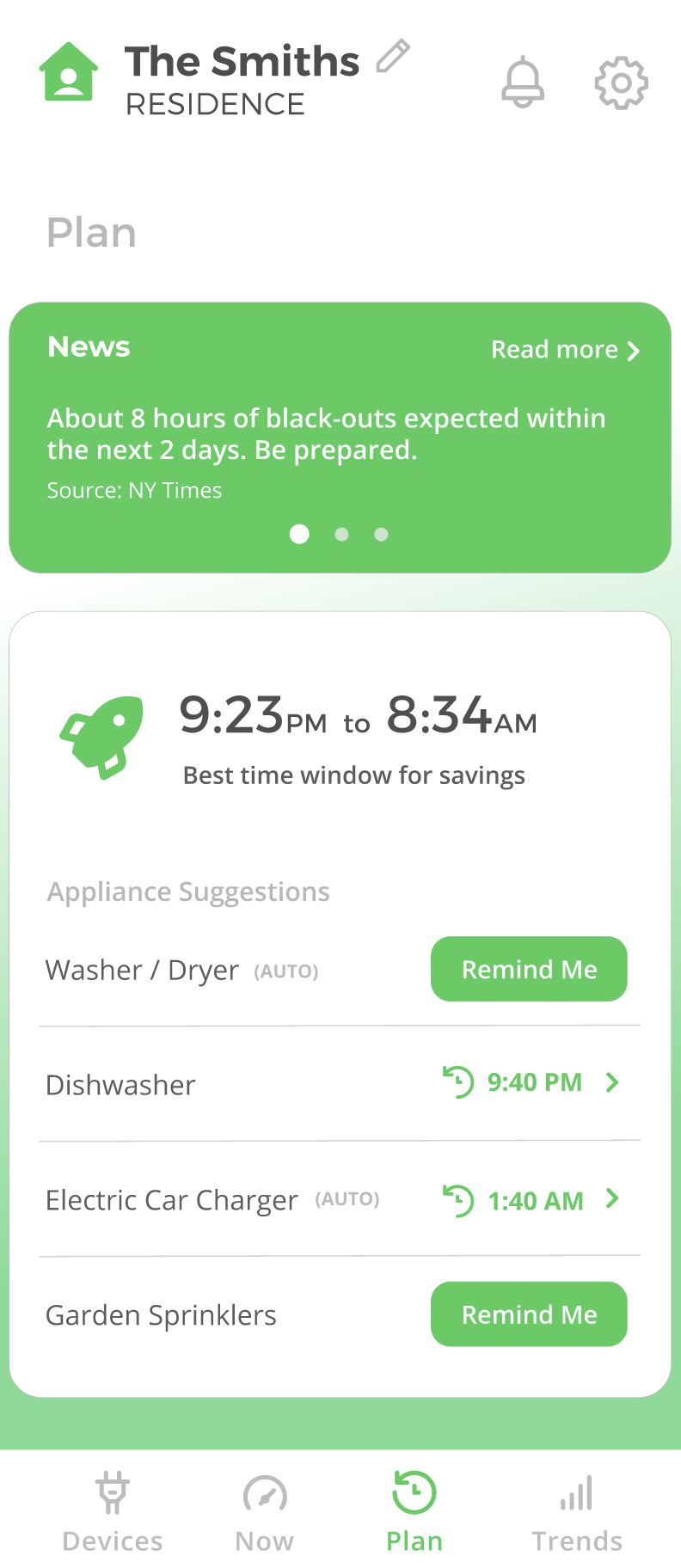
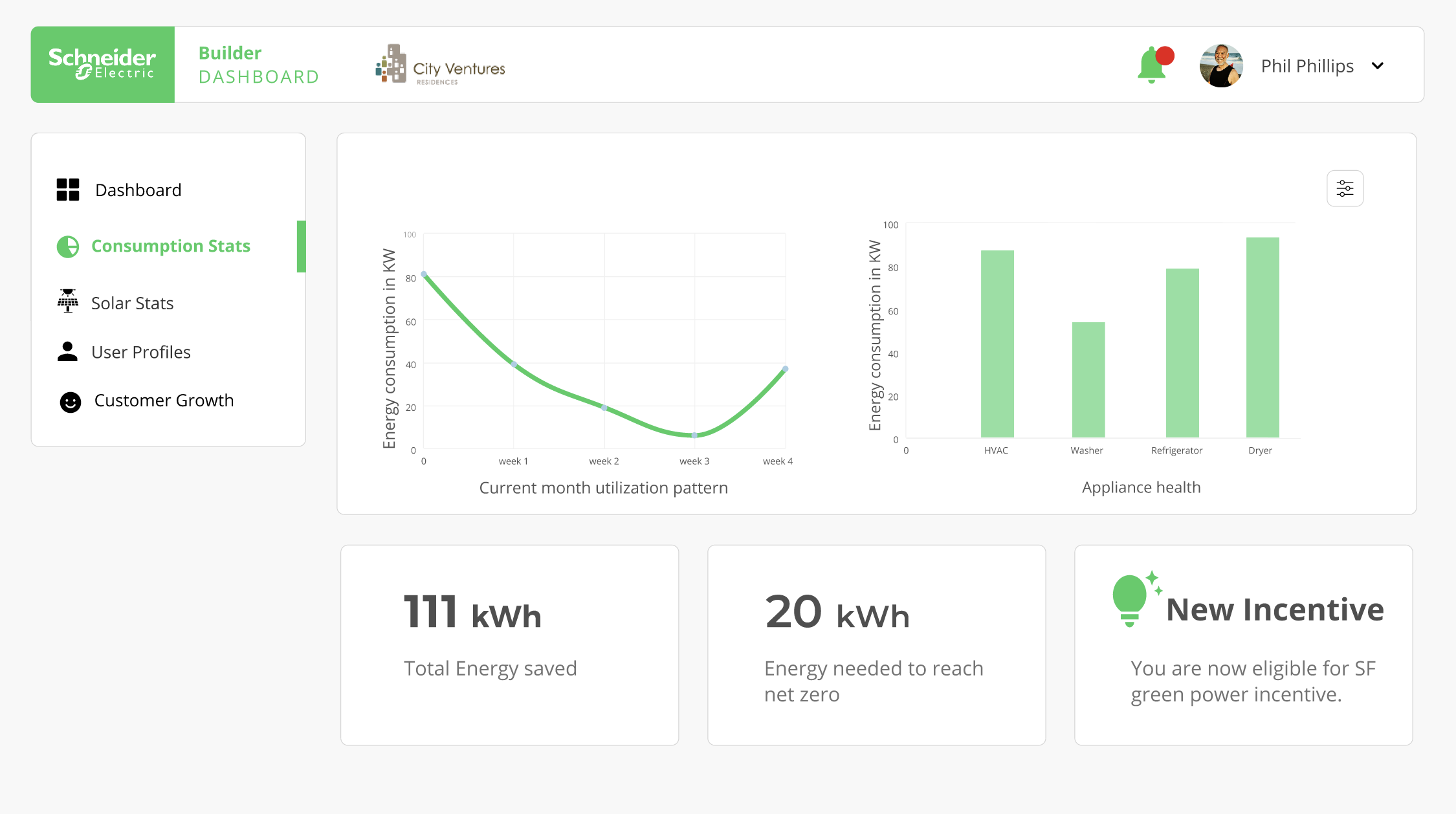
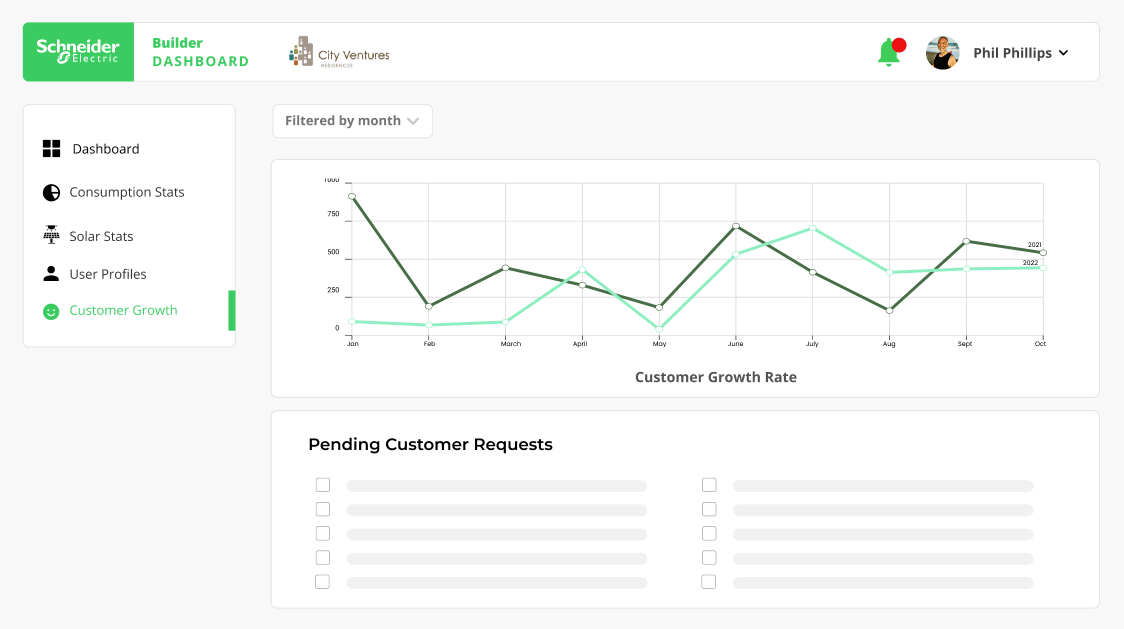
The final recommendation of the design team after understanding the needs of the company was to partner with production builders. For the final solution, we combined two of the above solutions: Collaborating with Samsung and production builders.



.png)